Bathroom Water Damage Repair in Denver County, CO
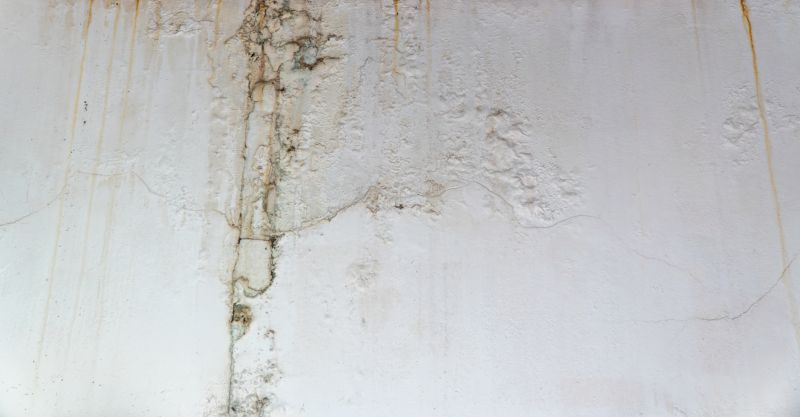
Bathroom water damage repair services address issues caused by leaks, flooding, or plumbing failures that affect bathroom surfaces, fixtures, and substructures. These projects typically involve removing damaged materials such as drywall, flooring, and cabinetry, followed by thorough drying and dehumidification to prevent mold growth. Repair work may include replacing damaged drywall, tiles, or flooring, as well as restoring plumbing fixtures and ensuring the integrity of the bathroom’s structure. Property owners often seek this service after discovering signs of water intrusion, such as discoloration, warping, or musty odors, and want to understand the scope of repairs needed to prevent further damage.
Before requesting bathroom water damage repair, homeowners should consider the extent of the damage and whether underlying issues, like plumbing leaks or ventilation problems, need addressing to prevent future incidents. It’s also helpful to understand the types of materials affected and the potential for mold growth if moisture is not properly removed. Clear communication about the visible damage and any related concerns can help ensure that the repair process adequately restores the bathroom’s condition and minimizes the risk of recurring problems.
Many property owners in Denver County, CO look into Bathroom Water Damage Repair for repairs, replacements, upgrades, and appearance-related improvements.
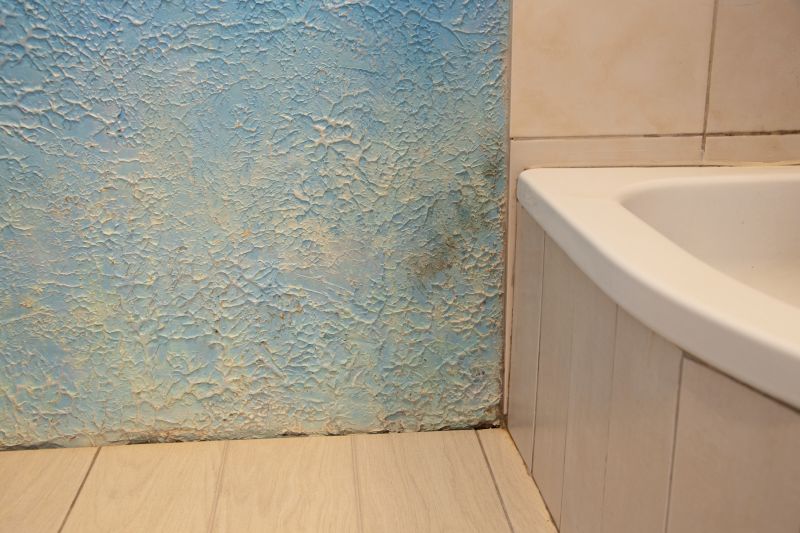
Identifying Water Damage In Bathrooms
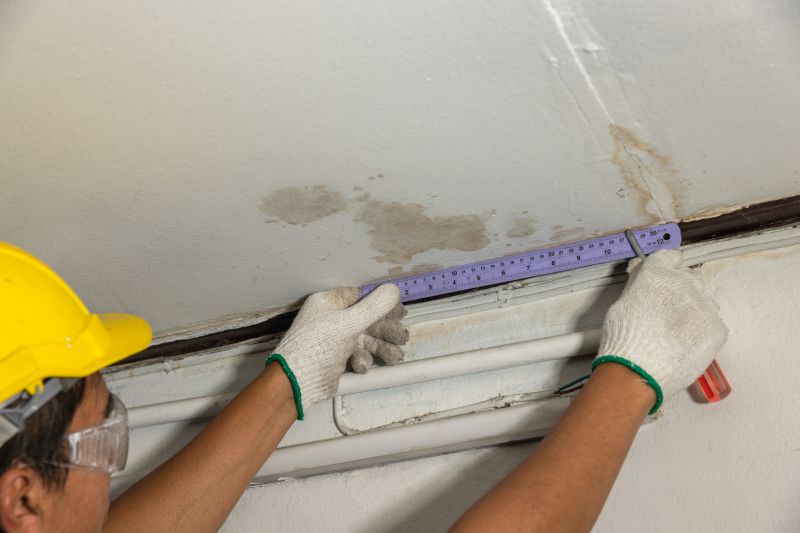
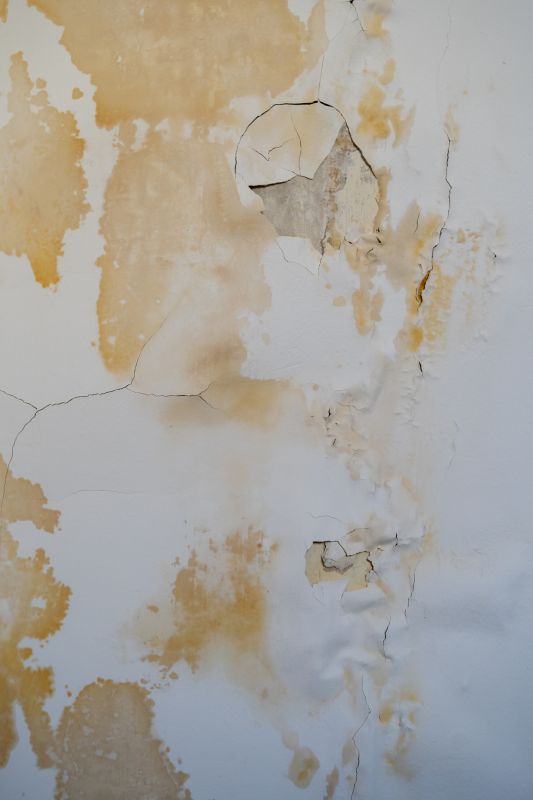
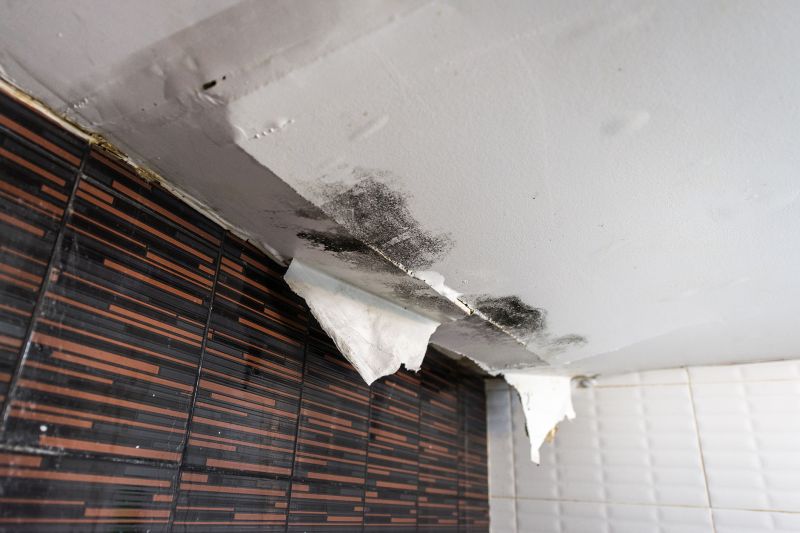
Signs of water damage include discoloration, warping, or mold growth on walls and floors.
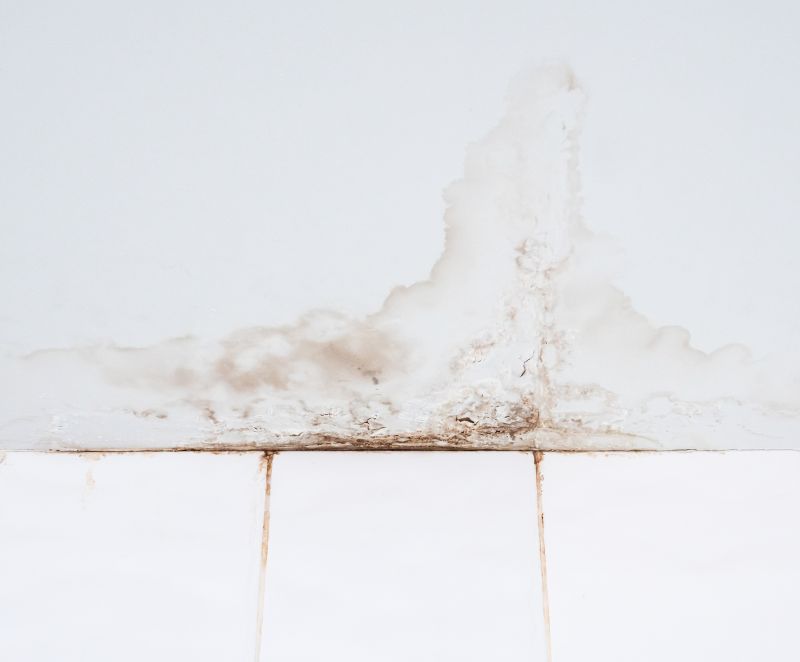
Common Causes Of Bathroom Water Damage
Leaks from fixtures, faulty plumbing, and poor ventilation can lead to water issues in bathrooms.
Restoration And Prevention Tips
Prompt repairs and proper waterproofing help protect bathrooms from future water damage in denver county, co.
Bathroom Water Damage Repair in Denver County, CO
Bathroom water damage repair services address issues caused by leaks, flooding, or plumbing failures that affect bathroom surfaces, fixtures, and substructures. These projects typically involve removing damaged materials such as drywall, flooring, and cabinetry, followed by thorough drying and dehumidification to prevent mold growth. Repair work may include replacing damaged drywall, tiles, or flooring, as well as restoring plumbing fixtures and ensuring the integrity of the bathroom’s structure. Property owners often seek this service after discovering signs of water intrusion, such as discoloration, warping, or musty odors, and want to understand the scope of repairs needed to prevent further damage.
Before requesting bathroom water damage repair, homeowners should consider the extent of the damage and whether underlying issues, like plumbing leaks or ventilation problems, need addressing to prevent future incidents. It’s also helpful to understand the types of materials affected and the potential for mold growth if moisture is not properly removed. Clear communication about the visible damage and any related concerns can help ensure that the repair process adequately restores the bathroom’s condition and minimizes the risk of recurring problems.
Many property owners in Denver County, CO look into Bathroom Water Damage Repair for repairs, replacements, upgrades, and appearance-related improvements.
Common Bathroom Water Damage Repair Jobs
Bathroom water damage repair restores areas affected by leaks, flooding, or plumbing failures.
Mold remediation removes mold growth caused by excess moisture in bathroom spaces.
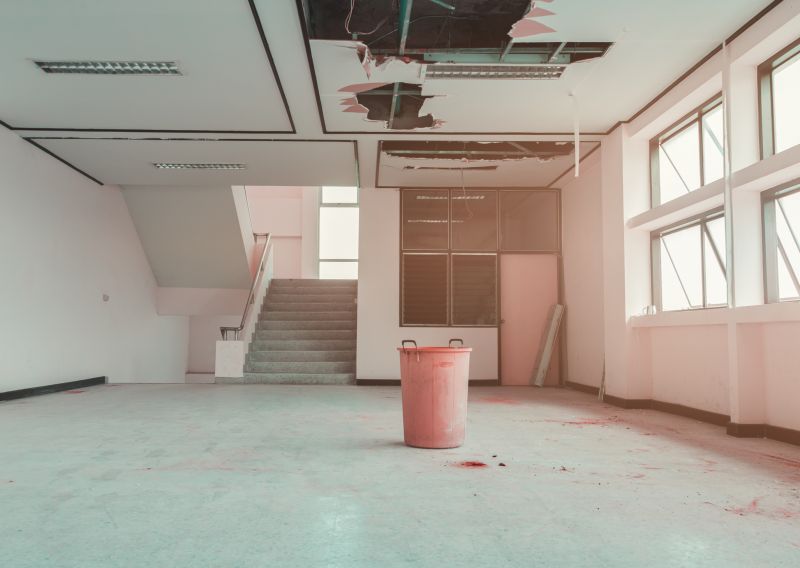
Drywall and ceiling repair addresses cracks, stains, or sagging due to water exposure.
Tile and grout restoration restores the appearance and integrity of bathroom surfaces.
Leak detection and plumbing repair identify and fix hidden leaks to prevent future damage.
Water extraction and drying remove standing water and moisture to prevent mold and structural issues.
Bathroom Water Damage Repair Questions
What causes bathroom water damage? Water damage in bathrooms often results from leaks, burst pipes, or faulty fixtures that allow water to escape and seep into walls or flooring.
How can water damage affect a bathroom? Water damage can lead to mold growth, structural deterioration, and damage to fixtures and finishes, impacting safety and appearance.
What signs indicate water damage in a bathroom? Common signs include discoloration, warping, musty odors, and visible mold or water stains on walls, ceilings, or floors.
What steps are involved in repairing bathroom water damage? Repairs typically include identifying the source, removing damaged materials, drying the area thoroughly, and restoring affected surfaces.
Request Bathroom Water Damage Repair in Denver County, CO
Use the quote form on this page to share the basics of your project and request more information for the type of work you need.